
The Federal Reserve’s increase of interest rates a few weeks ago has spurred many homebuyers into action for fear that the continuous lowering of interest rates may have come to an end.
Even so, borrowing costs for banks is at the lowest level since 2008, and even mortgage rates for borrowers with damaged credit have significantly fallen. We’ve seen subprime rates starting at 4% or less, which aligns with Freddie Mac’s weekly survey, showing that subprime borrowers are seeing the lowest interest rates in years.
Homebuyers were not deterred by the rate hike—in fact, many seemed to actually have been kicked into high gear—because homebuying numbers continue to soar. According to the Mortgage Bankers Association (“MBA”) weekly origination report, mortgage application volume is up 67% over last year. Specifically, mortgage applications for home purchases increased 6% this week and were 15% higher from this time last year. Contrary to conventional logic, it seems that the demand for home purchase loans jumped due to the increase in rates.
While interest rates for a 30-year fixed-rate mortgage with conforming loan balances increased to 3.85% from 3.64% in the span of one week, home refinance applications are still robust overall and have been increasing since late June when rates began to fall. In fact, refinance applications are up by 148% over last year.
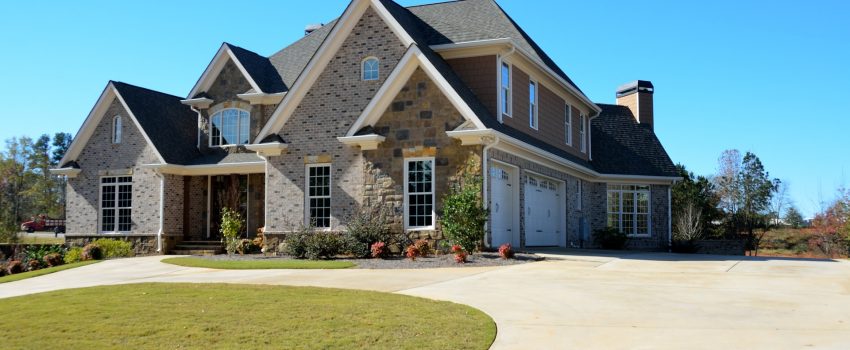
The average loan amount for purchase contracts rose to the highest level since June, which suggests that most of the current homebuying falls within the higher end of the market. Although low-cost houses are in extremely short supply, builders appear to be concentrating on higher-end homes to capture more of the market while the economy is still reasonably strong. It appears that fears of an impending recession are waning, and mortgage rates’ seven-week decline has spurred on construction to help shore up a struggling housing market. Housing manufacturing has notoriously been a weak spot in the economy, but is now in its eleventh year of expansion, the longest in history. According to the MBA, mortgage applications for new construction rose 33% annually in August.