
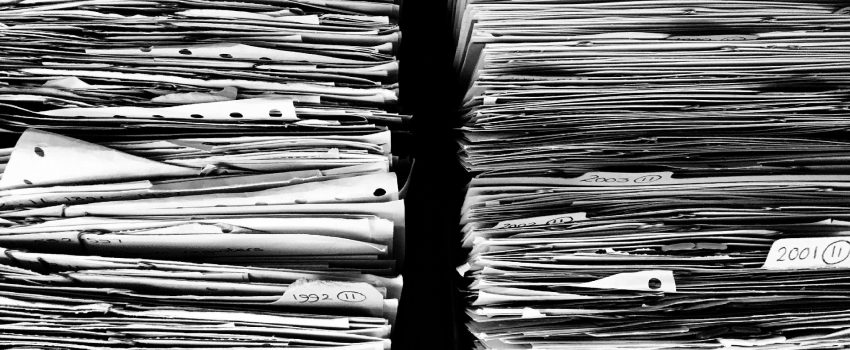
While it may seem like a time-consuming, menial task, maintaining proper record retention practices is not only a key responsibility of real estate professionals—it’s the law.
Per California Business & Professions Code §10148, licensed real estate brokers are required to retain copies of all listings, deposit receipts, canceled checks, trust records and any additional documents they execute or obtain whilst conducting real estate business for three years.
An important practice point in an increasingly technologically dependent era is that this statute is also applicable to emails and digital documents. If a real estate professional fails to implement responsible recordkeeping practices, the Department of Real Estate can either suspend or revoke their license depending on the severity of the transgression. Although e-mails must be retained, pursuant to a statutory clarification implemented on January 1, 2015, text and instant messages as well as tweets do not fall under the retention mandate of §10148—the exception being is if they are specifically implemented for the purpose of creating a permanent record.
An additional facet of real estate law to pay particular attention to is that a buyer is afforded between three to four years—based on the underlying claim—following the date of discover to bring suit against a seller for an undisclosed defect or comparable breach of contract. This rule of the discovery process has been broadened to encompass legal actions against real estate agents. While agents are statutorily required to keep records for a three-year period, communications are commonly required to safeguard against legal actions following this threshold. Communications pertaining to representation or agreement may implicate the agent well after escrow closing.
Due to the fact that lawsuits can be filed after the three-year recordkeeping requirement, it is ideal to retain records of all documentation. An economical approach is to scan documents before disposing of the original hard copies. Doing so can help real estate professionals in protecting themselves from potential liability down the road. To that end, the California Association of Realtors provides complimentary unlimited scanned document storage and retrieval via the zipVault platform.
If these types of documents are not retained in some way, real estate professionals open themselves up to potential vulnerability for future legal trouble. Files recording communications, agreements and additional essential components of transactions are vital in settling future disagreements pertaining to the specifics of a given real estate deal. Accordingly, while the legal minimum is to retain records for a three year period, real estate professionals should keep organized scanned records permanently in order to shield themselves from potential legal vulnerability.